



You're in the right place! Whether in nature, in the middle of the city, for families, in the countryside, historic or traditional: among Thuringia's TOP hosts, everyone will find exactly the right address.
Turning an amble into amazement.
Respecting nature. Shaping the future.
Horticultural history was written in Thuringia. Between monastery walls, town gardens and trade routes, knowledge of plants has evolved here over centuries and has spread its influence far beyond the region. Erfurt was quick to emerge as a centre of this knowledge. Not only did gardeners, traders and scholars cultivate the plants, they also studied, collected and propagated them. Figures such as Christian Reichart, founder of commercial horticulture in Erfurt, epitomised a period in which horticulture transformed into a science – and Thuringia became one of its most important locations.
Anyone walking through Thuringia's gardens today will discover more than just flowers and flowerbeds. It is the scent of herbs hanging in the balmy air, the subtle glow of flowery colours, the rustling of leaves underfoot – and the faint sense that there is more growing here than just nature.
Putting the culture into horticulture
Our understanding of this history begins in Erfurt, one of the most important horticultural cities in Europe. Situated at the centre of the historical gardens in the egapark, the German Horticultural Museum is home to numerous interactive exhibition rooms that showcase the close links between plant knowledge, crafts skills and society. Here, horticulture is not related as a hobby, but as a cultural achievement: as the basis for nutrition, as an engine for trade and as an expression of knowledge that has been handed down for generations. An inquisitive mind will immediately realise: many plants that seem natural today are part of a long tradition of observation, experience and living history.
⠇

More about the German Horticultural Museum in Erfurt
Plants that have shaped Thuringia
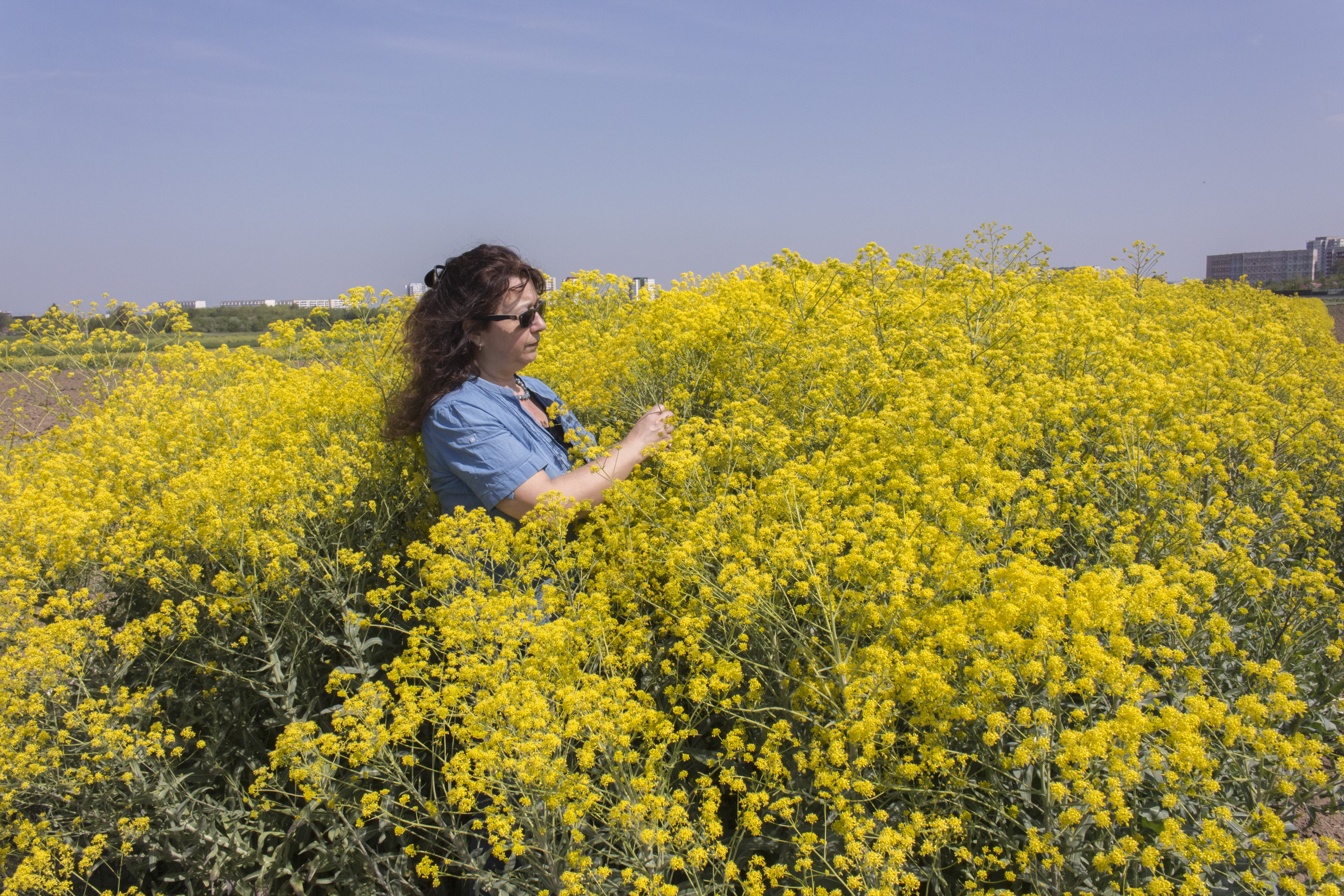
Some of these plants are particularly impressive in how they speak of Thuringia's history. The Altenburg saffron shows how much patience, manual labour and care can go into a product that grows in small quantities - and that is special for precisely this reason. Woad – once traded as "blue gold” – gave fabrics their intense colour and brought prosperity to cities like Erfurt. And it is still possible to imagine the importance of this inconspicuous plant for trade and crafts, even today. Erfurt watercress, on the other hand, grows fresh and clear in water. It symbolises a tradition that has continued to this day: regional products, short distances, immediate flavour.
Posterstein Castle from spectacular angles
On the road in herb country
A very particular form of horticulture has its roots in the Thuringian Olitätenland in the Schwarzatal valley. Travelling merchants – known colloquially as “backpack apothecaries” – produced oils, tinctures and mixtures from local herbs and spread their knowledge far beyond the region. This heritage stood and stands for a careful approach to handling plants – and for the emergence of knowledge based on experience.
The Thuringian herb garden in the Schwarzatal valley shows clearly how this tradition continues to thrive. Innumerable indigenous medicinal and aromatic plants grow here, where they were once used as the basis for the production of remedies. Not only can visitors view the plants, they can also smell them, touch them and learn about their use – a place where history is immediately accessible.
⠇
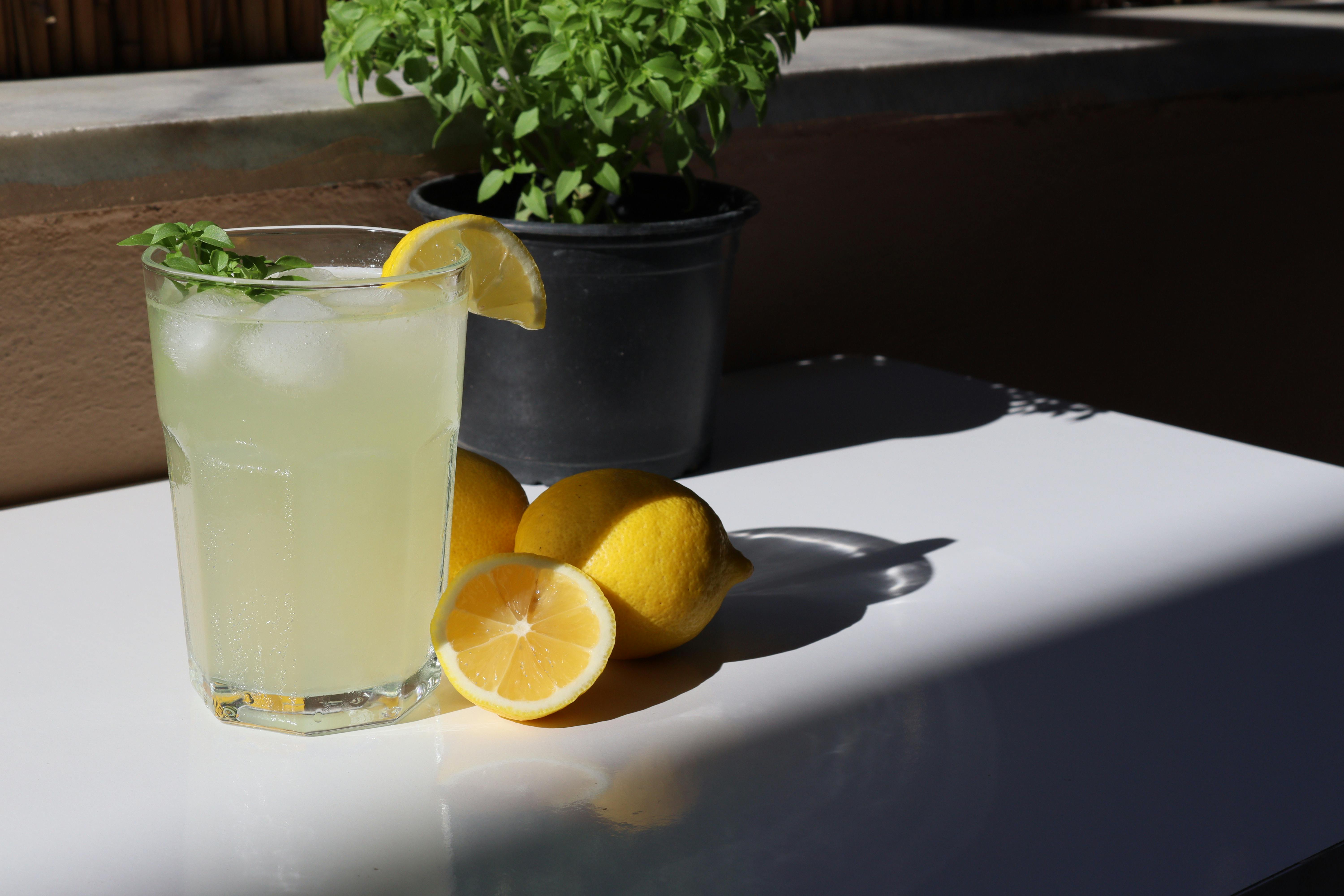
“Thuringian Forest Lemonade”
delicious, invigorating and refreshing
At the Großbreitenbach Herbal School, this delicious apple juice spritzer is made using freshly harvested ingredients such as Thuringian peppermint, ground elder and bear’s garlic leaves.
A very special way to pass on this knowledge is celebrated in Bad Langensalza. Numerous plants that have been used for centuries in natural medicine grow in the apothecary garden. Flower borders with roses and particularly attractive flowering and fragrant specimens are arranged around a series of themed herb beds. Located just a stone’s throw away, the BUND Natur!garden reveals the sheer diversity of how native plants develop while maintaining ecological balance. It features an untamed habitat in which wild herbs, flowers and grasses interact – a subtle indication of how nature takes care of itself.
⠇
The herbal experiences in the Rhön Mountains invite visitors to explore nature, culinary practices and traditional knowledge within a holistic setting. Guided hikes and workshops teach visitors how to safely identify native wild herbs. Special excursion tip: The Zella Monastery herb garden - a convent garden in which natural impressions of herbs and plants blend with knowledge of traditional monastic medicine.
Between the flowerbeds and walls, a calm atmosphere is created that focuses the eye on what really matters.
A garden for home
Perhaps the future begins quite inconspicuously – with a plant. Regional varieties, perennials and herbs are on offer at Thuringian plant shows and garden markets – often combined with personal dialogue and tips on care. People who take something home will receive a piece of Thuringia that they can then cultivate themselves. Planted in the garden at home, it will then grow into an enduring memento that – with every new leaf, every blossom – remind you of a place where plants, knowledge and enjoyment are closely intertwined.
Our castle generator
What is particularly important to you in your castle experience? Choose and discover your castle in Thuringia!


